Pregnancy cravings can be intense, and beef jerky might seem like a quick protein fix when hunger strikes. But is it safe?
Yes, you can eat beef jerky during pregnancy, but only if it’s fully cooked, shelf-stable, and prepared in a USDA-inspected facility. Store-bought jerky that reaches an internal temperature of 160°F during processing is generally safe in moderation. However, homemade jerky, refrigerated varieties, and high-sodium options should be avoided due to bacterial contamination risks and blood pressure concerns.
Why Beef Jerky Raises Safety Concerns During Pregnancy
Beef jerky isn’t your typical cooked meat. It’s dried at lower temperatures, which doesn’t always kill harmful bacteria that can cause foodborne illness.
The Bacteria Problem
Pregnancy changes your immune system, making you more vulnerable to infections that normally wouldn’t cause serious issues. Your body naturally suppresses certain immune responses to protect the growing baby, but this leaves you at higher risk for bacterial infections.
Beef jerky that hasn’t been properly heated can harbor dangerous bacteria like Listeria, Salmonella, Toxoplasma gondii, and E. coli. These pathogens can survive the drying process if the meat doesn’t reach high enough temperatures during preparation.
Listeria is particularly concerning during pregnancy. Symptoms often appear mild—fever, muscle aches, fatigue—but the infection can lead to miscarriage, stillbirth, premature delivery, or serious newborn infections. Symptoms may not show up for weeks or even two months after exposure, making it hard to connect the illness to contaminated food.
Toxoplasmosis, caused by Toxoplasma gondii, can lead to birth defects and developmental issues. While healthy adults rarely have severe symptoms, the infection during pregnancy can harm your baby’s brain and organs.
Salmonella infections during pregnancy can trigger preterm labor, low birth weight, and in severe cases, maternal septicemia. Studies show that even low doses of Salmonella during late pregnancy can cause placental dysfunction, fetal growth restriction, and pregnancy loss.
High Sodium Content
Most beef jerky packs 400-600 mg of sodium per ounce—sometimes more. That’s a significant chunk of the 2,300 mg daily limit recommended during pregnancy.
Too much sodium can spike your blood pressure, which isn’t healthy for you or your baby. High blood pressure during pregnancy increases your risk of preeclampsia, a serious condition marked by high blood pressure and organ damage that typically develops after 20 weeks. Preeclampsia can cause preterm birth, low birth weight, and in severe cases, seizures (eclampsia) or organ failure (HELLP syndrome).
Excess salt also worsens swelling, a common pregnancy complaint.
Nitrates and Nitrites
Many commercial beef jerky brands contain nitrates or nitrites as preservatives. Research suggests these additives may increase the risk of preterm delivery. While more studies are needed, it’s smart to limit exposure when possible.
When Beef Jerky Can Be Safe
Not all jerky poses the same risk. The key is how it’s prepared and stored.
Commercial Shelf-Stable Jerky
Beef jerky made in USDA-inspected facilities and heated to at least 160°F is generally safe to eat during pregnancy. These products are fully cooked at temperatures high enough to kill harmful bacteria, then packaged to remain shelf-stable without refrigeration.
Check the label for:
- USDA inspection certification
- “Fully cooked” statement
- Shelf-stable designation
- Low sodium (ideally under 400 mg per serving)
- No added nitrates or nitrites
Even with safe jerky, moderation matters. Limit yourself to about 1 ounce (28 grams) per day to manage sodium intake.
What to Avoid
Homemade jerky is risky because home dehydrators often don’t reach 160°F consistently. Without proper temperature control, bacteria can survive the drying process. If you make jerky at home, you must preheat the meat to 160°F before dehydrating and use a food thermometer to verify the internal temperature.
Refrigerated jerky sold in grocery store deli sections falls into the “temperature danger zone” where bacteria thrive. These products may not have been heated to safe temperatures and require refrigeration because they’re more susceptible to bacterial growth.
High-sodium or heavily processed varieties with excessive preservatives, artificial flavors, or added sugars should also be limited.
Healthier Alternatives to Satisfy Protein Cravings
If you’re craving something savory and protein-rich, there are safer options that won’t carry the same risks.
Cooked Meat Options
A well-done steak cooked to 165°F is a satisfying alternative. Use a food thermometer to check the internal temperature—meat that looks cooked on the outside might not be safe inside.
Ground beef cooked to 160°F and poultry cooked to 165°F are also safe choices.
High-Protein Pregnancy Snacks
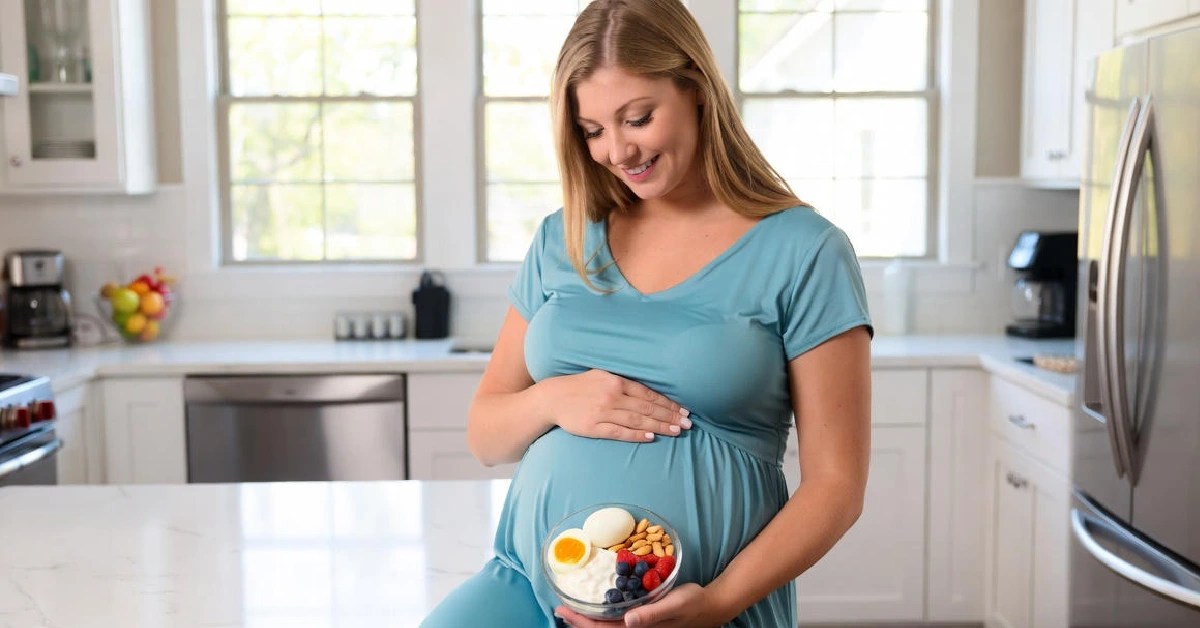
Hard-boiled eggs offer high-quality protein, choline for baby’s brain development, and vitamin D for calcium absorption. Pair them with fresh veggies for a balanced snack.
Greek yogurt provides protein, calcium, and probiotics that support digestive health. Add fresh or frozen berries for extra nutrients and natural sweetness.
Cottage cheese with pineapple combines protein and vitamin C, which helps your body absorb iron. You can substitute other fresh fruits like berries or peaches for variety.
Hummus with veggie sticks gives you plant-based protein, fiber, and healthy fats. It’s filling and supports a healthy digestive system.
Roasted chickpeas are crunchy, satisfying, and packed with plant-based protein. They’re easy to prepare and store for quick snacking.
Trail mix with nuts and dried fruit offers energy, protein, and healthy fats. Just watch portion sizes since nuts are calorie-dense.
Nut butter on whole-grain toast provides protein, fiber, and sustained energy. Almond butter, peanut butter, or cashew butter all work well.
Plant-Based Jerky
Plant-based jerky made from mushrooms, jackfruit, eggplant, or tofu can satisfy that savory craving without the bacterial risks associated with dried meat. These products are usually fully cooked and lower in sodium, though you should still check labels for added sugars and preservatives.
Understanding Your Protein Needs During Pregnancy
Protein requirements increase during pregnancy to support your baby’s growth and your body’s changing needs.
Your body needs extra protein starting in the first trimester, with requirements increasing through the second and third trimesters. Most pregnant women should aim for about 70-75 grams of protein daily, though individual needs vary based on body weight, activity level, and whether you’re carrying multiples.
Protein supports critical functions like brain development, muscle formation, red blood cell production, and tissue repair. It also helps stabilize energy levels and maintain healthy blood sugar balance throughout pregnancy.
Good protein sources include lean meats, fish (low-mercury varieties), eggs, dairy products, legumes, nuts, seeds, and soy products. Spreading protein intake across meals and snacks helps you meet daily requirements without feeling overly full.
The Bottom Line
Beef jerky can fit into your pregnancy diet if you choose wisely. Stick with fully cooked, shelf-stable jerky from trusted commercial brands, keep portions small, and pay attention to sodium content. Skip homemade and refrigerated varieties entirely.
If you’re unsure about a specific product or have concerns about your diet during pregnancy, talk with your healthcare provider. They can give you personalized guidance based on your health history and pregnancy needs.
Remember that cravings are normal, but safety comes first. With so many tasty, protein-rich alternatives available, you don’t have to take unnecessary risks to satisfy your hunger.