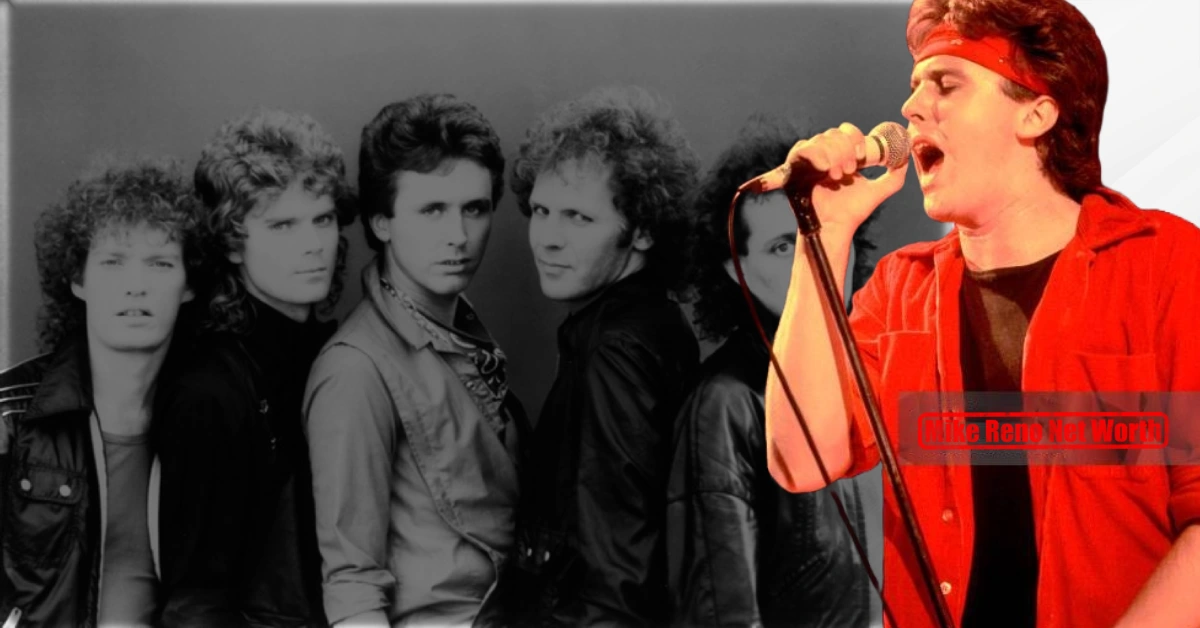
Mike Reno has built an estimated net worth of $2 million as of 2025. That’s the bottom line for a man who spent 44 years fronting one of Canada’s most successful rock bands. His fortune comes from selling 15 million albums worldwide, touring 50–60 shows annually even at age 70, and earning royalties from classic hits like “Working for the Weekend” that still play on rock radio today.
The numbers tell part of the story. Loverboy’s multi-platinum albums, extensive touring circuit, soundtrack contributions, and streaming revenue all feed into Reno’s financial position. But $2 million for someone who sold millions of records might seem modest—and that’s worth understanding.
Who Is Mike Reno?
Joseph Michael Rynoski was born January 8, 1955, in New Westminster, British Columbia. He picked up drums at age 12, influenced by his older brother Steve. Throughout high school at Penticton Secondary, he played in cover bands like Morning Glory and Synergy before moving to Calgary.
His brief stint with the band Moxy produced the album “Under the Lights” in 1978, but it didn’t take off commercially. Then came 1979—the year that changed everything. Walking down a Calgary lane, Reno heard a guitar riff coming from a warehouse. He followed the sound, met Paul Dean, and they wrote two songs that first night. That partnership would define both careers for decades to come.
The stage name “Mike Reno” replaced his birth name as the band took shape. What started as a chance meeting became a decades-long collaboration worth millions.
The Birth of Loverboy and Instant Success
Loverboy formed in 1979 with Mike Reno on vocals, Paul Dean on guitar, Doug Johnson on keyboards, Scott Smith on bass, and Matt Frenette on drums. The band name came from Paul Dean’s dream after seeing a Cover Girl magazine ad—his subconscious turned “Cover Boy” into “Loverboy.”
They opened for Kiss at Vancouver’s Pacific Coliseum on November 19, 1979. Every major US record label passed on them. Columbia Records Canada took the risk in 1980. Producer Bruce Fairbairn and engineer Bob Rock helped craft their sound.
The gamble paid off fast. Their debut album sold 700,000 copies in Canada alone—massive for a country with roughly 24 million people at the time. US sales hit 2 million domestically and 4 million worldwide. That success laid the financial foundation for everything that followed.
Chart-Topping Hits and Commercial Dominance
“Get Lucky,” their second album from 1981, sold over 4 million copies in the US and reached #7 on the Billboard 200. It stayed on the charts for more than two years. “Working for the Weekend” peaked at #29 on Billboard Hot 100 and #2 on Rock Tracks. “Turn Me Loose” hit #7 in Canada and #35 in the US. “The Kid Is Hot Tonite” became another staple.
Albums like “Keep It Up” (1983) and “Lovin’ Every Minute of It” (1985) both went double-platinum. Each certification meant more royalties, higher concert guarantees, and increased demand. Their trademark red leather pants and bandanas created a visual brand that merchandise sales capitalized on.
This era represents Reno’s peak earning years. Touring revenues, publishing rights, and album sales all contributed significantly to his accumulated wealth.
Record-Breaking Recognition and Industry Validation
In 1982, Loverboy won six Juno Awards in a single year—Group of the Year, Album of the Year, Single of the Year, Composer of the Year, Producer of the Year, and Engineer of the Year. That record still stands 43 years later. No Canadian act has matched it.
They became the first Canadian group to earn Columbia Records’ exclusive Crystal Globe Award for selling over 5 million albums outside their home country. From 1982–1989, Loverboy ranked among the top five grossing touring acts worldwide, performing in over 100 cities across North America.
These achievements didn’t just validate their music—they directly increased earning potential through licensing deals, higher booking fees, and merchandise opportunities.
Soundtrack Success and Collaborations
“Almost Paradise,” Reno’s 1984 duet with Ann Wilson from Heart, appeared on the Footloose soundtrack. It reached #1 on Adult Contemporary charts and #7 on Billboard Hot 100. The song introduced Reno to audiences beyond rock radio and created another revenue stream.
Loverboy contributed “Heaven in Your Eyes” to the Top Gun soundtrack in 1986. Film royalties from both tracks continue generating income decades later. Other soundtrack work included “Chasing the Angels” for Iron Eagle II (1988), “Whenever There’s a Night” for Dream a Little Dream (1989), and “Nothing’s Gonna Stop You Now” for the 1984 US Olympics.
Reno collaborated with David Foster on “All I Ever Needed” for Foster’s 1990 album “River of Love.” These projects diversified his income beyond touring and band albums.
Mike Reno, the Vocalist
Reno’s distinctive tenor voice became Loverboy’s signature. His vocal range and characteristic rasp defined their sound. The ability to sustain high-energy performances matters—at 70, he still hits demanding notes and performs dozens of shows annually.
He transitioned from drummer to vocalist and taught himself guitar. That versatility kept him in demand as both a performer and collaborator. Vocal quality directly affects earning potential, and Reno’s voice proved durable enough to support a 44-year career.
Navigating the Grunge Era and Industry Changes
The 1990s hit hard. Grunge bands like Nirvana and Pearl Jam shifted mainstream rock tastes. Arena rock acts from the 1980s saw demand plummet. Loverboy took a three-year hiatus starting in 1988 due to industry changes and internal tensions.
Reno recorded a solo album called “Renovation” in 1992 with producer Mark Spiro. Sony shelved it indefinitely because the market had shifted. He finally self-released it in 2002 through his website. This period showed financial vulnerability—major label support vanished.
The eventual reunion and transition to nostalgia touring provided stability, though likely at lower income levels than their 1980s peak.
Tragedy and Resilience
On November 30, 2000, bassist Scott Smith was swept overboard by a 25-foot wave while sailing his 37-foot boat “Sea Major” off San Francisco. The Coast Guard searched but never found him. He was presumed dead at age 45.
The band struggled emotionally. They didn’t release another album for 10 years until “Just Getting Started” in 2007, which included “Stranded,” a tribute to Smith. Ken “Spider” Sinnaeve, a longtime friend of Smith’s, replaced him on bass.
The tragedy explains career interruptions that affected income. It also shows the personal costs behind public success.
Mike Reno’s Age and Personal Life
Reno turned 70 years old in January 2025. He’s married to Catherine St. Germain, a vocalist with over 40 years in the music industry, and the daughter of Ray St. Germain. Catherine now performs “Almost Paradise” with Mike during Loverboy shows, taking Ann Wilson’s part.
His son Alex Reno, born January 23, 1988, from his first marriage, recently welcomed daughter Thea Michele Reno. That makes Mike a grandfather. These family connections provide personal context to the financial discussion.
Health Transformation and Stage Performance
Reno lost 50 pounds to improve both health and stage presence. In 2011, he talked about feeling “lighter on stage” and “dancing around like the old days.” Physical wellness matters when you’re performing 50–60 shows annually at age 70.
The transformation happened around the time Loverboy resumed active touring after pandemic interruptions. It shows renewed commitment to his craft and maintaining the stamina required to keep earning through live performance.
Current Touring and Performance Schedule
Loverboy’s 2024–2025 schedule includes tours supporting acts like Foreigner and REO Speedwagon. They play amphitheaters, festivals, and casinos. Their 2024 live album “Live in ’82” came from restored 16mm film in Paul Dean’s personal archive.
Nostalgia touring provides a steady income. Ticket prices range from $41–$80. Merchandise sales add to revenue. There’s no pressure to promote new material—audiences want the hits they remember.
Reno maintains homes in both Vancouver, British Columbia, and Palm Springs, California. That dual-residence lifestyle shows his $2 million net worth actively supports his quality of life.
Real Estate and Assets
Reno splits time between Vancouver and Palm Springs. Vancouver’s expensive housing market means his property there likely represents significant asset value. Palm Springs provides a winter residence during touring breaks.
Specific property values aren’t publicly documented, but real estate holdings in both markets contribute to overall net worth. These assets demonstrate how wealth manifests in lifestyle rather than just abstract numbers.
Income Sources and Revenue Streams
Reno’s $2 million comes from multiple sources. Album sales royalties continue from 15 million career sales. Classic rock playlists generate streaming revenue. Publishing royalties flow from co-writing hits like “Working for the Weekend” with Paul Dean and others.
Touring remains crucial—heritage acts command respectable performance fees, especially at festivals and corporate events. Merchandise revenue comes from band-branded items sold at shows and online. Soundtrack royalties from “Almost Paradise,” “Heaven in Your Eyes,” and other placements provide passive income decades after recording.
This diversified approach explains how $2 million accumulated over 44 years rather than arriving as a single windfall.
Hall of Fame Honors and Legacy
Loverboy entered the Canadian Music Hall of Fame at the 2009 Juno Awards in Vancouver. They were inducted into the Canadian Walk of Fame in the fall of 2023. These honors don’t directly generate income but increase booking fees and licensing opportunities by cementing legendary status.
They performed at the 2010 Vancouver Olympics “Nunavut Night” alongside Trooper. Their music appears in films like Pixels (2015) and various TV shows, creating ongoing licensing revenue while introducing their catalog to new generations.
Comparing Mike Reno Net Worth to Rock Contemporaries
Context matters when evaluating $2 million. Band members split income—Reno shares composing royalties with Paul Dean and others. Some 1980s rock stars have significantly higher net worths due to solo ownership of hit songs, successful business ventures outside music, or continued mainstream relevance.
This comparison isn’t about diminishing Reno’s success. It explains music industry economics. Modest net worth doesn’t equal modest achievement.
The Lasting Impact of Mike Reno’s Music Career
Loverboy reached 15 million worldwide album sales in 2024—nearly double their 1990s peak. Their anthems remain classic rock radio staples, ensuring royalty income continues. Younger audiences discover them through movie soundtracks, commercials, and streaming playlists.
At 70, Reno continues performing because he loves it. That’s a luxury afforded by smart financial management over four decades. While $2 million may seem modest by celebrity standards, it represents sustainable success built on artistic integrity and career longevity rather than fleeting fame.