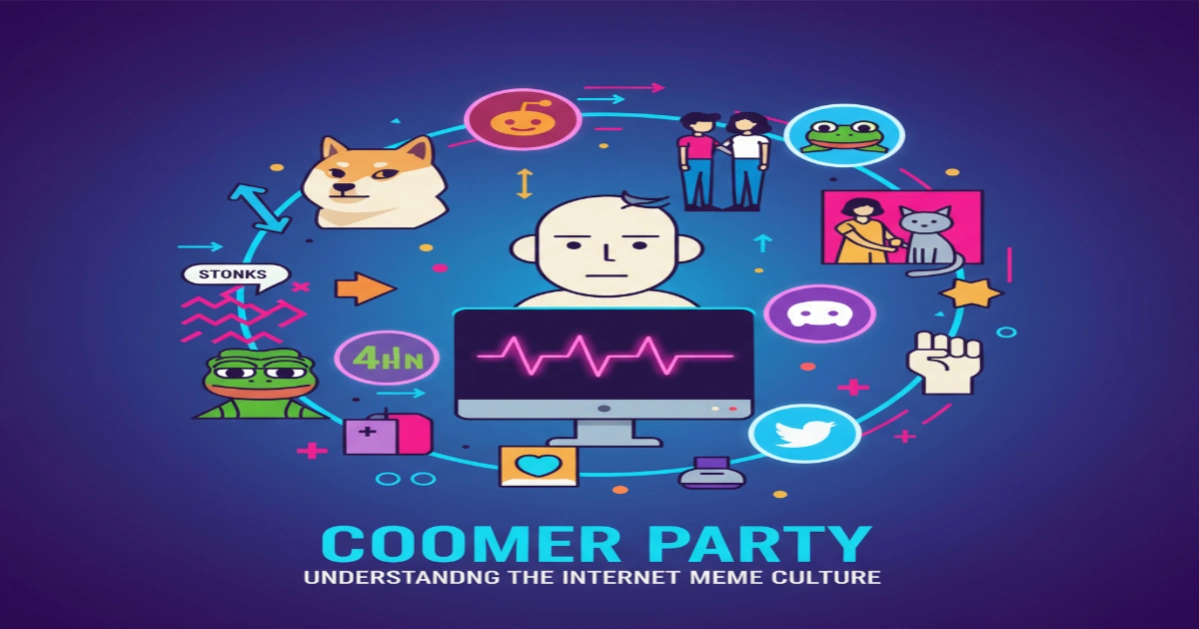
What is “Coomer Party”? Understanding the Internet Meme
Ever stumbled across the term “Coomer Party” online and wondered what it’s all about? Don’t worry, you’re not alone. This isn’t some secret political organization or real-world event. It’s actually an internet meme that’s been floating around social media platforms and imageboards for a few years now.
The Coomer Party is satirical internet culture at its finest. It’s basically a joke that plays on the idea of turning a meme character into a fake political movement. Think of it like when people create funny fake campaigns online, except this one’s built around a specific internet character called the “Coomer.” The whole thing’s meant to be humorous, though it touches on some pretty real topics about internet addiction and digital habits.
Origins of the “Coomer” Term: Tracing the Slang
So where did this weird word even come from? The term “Coomer” popped up somewhere between 2018 and 2019 on platforms like 4chan and Reddit. And yeah, it’s exactly what it sounds like if you’re thinking of slang for masturbation. The internet doesn’t hold back.
The visual representation became famous thanks to the Wojak meme family. You know those simple drawings of faces showing different emotions? The Coomer character is one of them. He’s usually drawn with tired eyes, messy hair, and looks pretty worn out. The image became a way for online communities to talk about excessive consumption of adult content without getting too serious about it.
What’s interesting is how quickly this spread. Reddit communities and Discord servers picked it up, and suddenly everyone was using it. The meme became shorthand for discussing compulsive behavior and dopamine chasing without writing an essay about it.
The “Coomer Party” Concept Explained
Here’s where things get creative. Internet users took the Coomer meme and ran with it, creating this whole fictional political party concept. The “Coomer Party” doesn’t have real platforms or policies. It’s basically performance art making fun of internet culture itself.
The meme really picks up steam during No Nut November, that annual internet challenge where people try to practice abstinence for a month. The Coomer Party gets framed as the “opposition” to NNN participants, turning personal challenges into this fake political drama. It’s absurd, and that’s the point.
Users create fake campaign posters, write silly manifestos, and treat it like an actual movement. But everyone’s in on the joke. It’s internet satire that comments on how seriously people take online trends and challenges.
Layers of Meaning: Humor, Satire, and Social Commentary
This meme works on multiple levels. On the surface, it’s just funny content that Gen Z and millennials share for laughs. People create GIFs, short videos, and memes that get passed around Twitter, Instagram, and TikTok.
But dig deeper and there’s actual social commentary happening. The Coomer character represents concerns about pornography addiction and internet addiction that many people struggle with. It’s a way for online communities to discuss mental health issues like depression, anxiety, and isolation without getting too heavy.
The meme also comments on the content creator economy and how platforms like OnlyFans and Patreon have changed content consumption. It pokes fun at subscription models and premium content while questioning our relationship with digital platforms. That’s pretty smart for a simple drawing.
The Controversy Surrounding the Coomer Party Meme
Not everyone thinks this meme is harmless fun. There’s real debate in online spaces about whether it crosses a line. Some folks see it as helpful commentary that raises digital addiction awareness. Others think it shames people who genuinely struggle with behavioral addiction patterns.
Critics worry the meme makes fun of serious issues like compulsive online behavior and poor mental health. When someone’s dealing with actual addiction recovery, seeing themselves turned into a joke character doesn’t feel great. The NoFap community, which focuses on self-improvement and breaking bad habits, has mixed feelings about how they get referenced.
Then there’s the concern about how the meme portrays content creators and adult content creators specifically. OnlyFans creators and Patreon creators sometimes feel unfairly targeted. The conversation gets complicated fast when you’re mixing humor with real people’s livelihoods and struggles.
Cultural Impact on Internet Culture and Meme Evolution
Despite the controversy, you can’t deny this meme’s influence on meme culture. It fits perfectly into the Wojak family alongside other characters like Doomer, Bloomer, and Zoomer. These simple drawings have become the rage comics of this generation.
The Coomer meme shows up cyclically, especially during November when No Nut November trends. It’s become part of the annual rhythm of internet phenomena. Content platforms see increased engagement around these topics, proving people care about digital wellness conversations.
What’s cool is how the meme evolved. It started on 4chan boards and Reddit communities but spread to mainstream platforms. Now you’ll find references on YouTube, Twitch streams, and even Facebook meme pages. It influenced other internet slang and helped shape how younger generations talk about self-control and willpower.
Beyond the Meme: Coomer.Party as a Technical Platform
Here’s where things get confusing. There’s actually a website called coomer.party, and it’s completely different from the meme concept. This technical platform archives content from subscription services and adult content platforms.
The site functions as a content sharing platform where user-generated content gets reposted without creators’ permission. It’s controversial for obvious reasons, affecting direct-to-fan revenue and creator economy models. Content monetization becomes nearly impossible when your exclusive content gets leaked immediately.
This platform raises questions about content moderation, payment processing ethics, and digital platform responsibility. It’s important to understand that this website has nothing to do with the satirical meme, even though they share a name. They represent different aspects of internet culture entirely.
Broader Digital Wellness Implications
The Coomer Party meme, whether people like it or not, has sparked important conversations about screen time and digital overload. It’s gotten people thinking about their behavioral patterns and habit formation around content consumption.
Mental health professionals have actually used meme culture to discuss cognitive behavioral therapy concepts with younger patients. When traditional approaches don’t connect, sometimes a relatable meme does. The conversation around mindfulness, stress management, and emotional regulation becomes easier when there’s shared cultural language.
The meme also highlights issues with algorithmic discovery and how social networks keep us engaged. It questions whether viral content and user engagement metrics are healthy for work-life balance and quality of life. These aren’t small questions. They affect how millions of people interact with social media platforms daily.
Conclusion: The Legacy of Coomer Party in Online Discourse
So what’s the final word on Coomer Party? It’s complicated, honestly. This internet subculture phenomenon sits at the intersection of entertainment and serious social commentary. It makes people laugh while also making them think about their relationship with technology.
The meme reflects something real about how Gen Z and millennials process difficult topics. Instead of formal discussions about pornography addiction or masturbation addiction, they create viral meme movements. It’s their way of handling heavy subjects with humor while still acknowledging the problems exist.
Whether you think it’s helpful awareness or harmful shaming probably depends on your own experiences and perspective. But there’s no denying it’s become a significant part of online discourse about digital well-being and healthy internet practices.
Ready to take control of your digital habits? Start by honestly assessing your screen time and content consumption patterns. Whether you relate to the meme or just find it funny, the conversations it starts about self-discipline and impulse control matter. Join communities focused on self-improvement, practice mindfulness with your internet use, and remember that it’s okay to step back from digital platforms when you need to. Your mental health and quality of life are worth more than any viral trend.