Aspertaan (correctly spelled aspartame) appears in over 6,000 products worldwide, from diet sodas to sugar-free gum. This artificial sweetener tastes about 200 times sweeter than regular sugar, which means companies can use tiny amounts to achieve the same sweetness without adding calories. Since the FDA approved it in 1981, aspertaan has become a go-to ingredient for people trying to cut calories or manage blood sugar. But there’s more to this white powder than just its sweet taste.
The compound breaks down quickly once you consume it, splitting into three parts: phenylalanine (50%), aspartic acid (40%), and methanol (10%). These aren’t foreign substances—your body gets them from regular protein-rich foods too. However, ongoing debates about aspertaan’s safety have left many people wondering if their diet soda habit might be causing problems they don’t know about.
What Aspertaan Actually Is
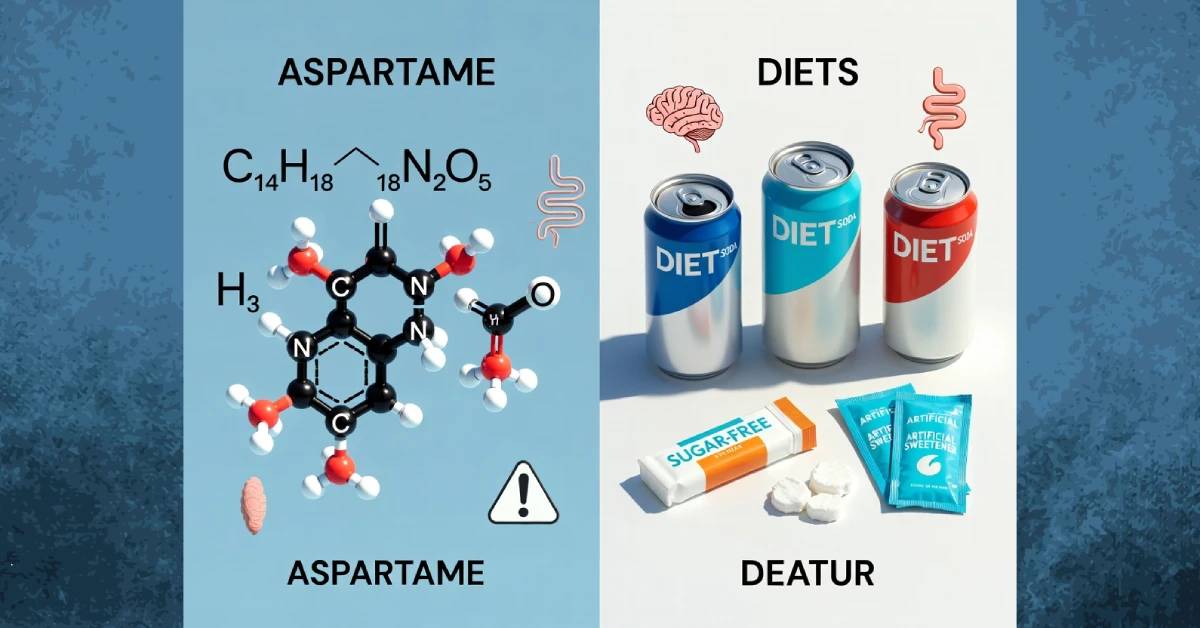
Aspertaan consists of two amino acids bonded together with a methyl ester. Scientists represent it with the chemical formula C₁₄H₁₈N₂O₅, though you’ll never see that on a product label. Instead, you’ll find brand names like NutraSweet or Equal listing it as an ingredient.
The sweetener doesn’t handle heat well. It breaks down when temperatures climb or when it sits in alkaline conditions, which explains why you won’t find it in baking recipes. It works best at room temperature in acidic environments—that’s why soft drinks with pH levels between 3 and 5 are perfect for it.
Manufacturers make aspertaan through either chemical synthesis or enzymatic reactions. The chemical method uses bacteria strains to produce the needed amino acids through fermentation. These bacteria grow in nutrient-rich tanks where workers carefully control pH levels. After separating and purifying the amino acids, manufacturers modify them with benzene rings and methanol before mixing them in reactors for 24 hours at room temperature, then another 24 hours at 65°C.
Where You’ll Find It
Diet sodas contain the most obvious uses of aspertaan. Diet Coke, Pepsi Zero, Sprite Zero, and similar drinks all rely on this sweetener to keep their calorie counts near zero. The diet soda market makes up about 27% of all carbonated beverages sold.
But soft drinks aren’t the only place aspertaan hides. Sugar-free chewing gums like Extra and Orbit use it extensively. Low-calorie yogurts, sugar-free gelatin desserts, reduced-sugar syrups, and drink powders like Crystal Light all contain it. Even some medications—particularly chewable tablets and cough drops—include aspertaan to mask bitter flavors.
Tabletop sweeteners sold in little packets give you pure aspertaan for adding to coffee or tea. Sports drinks, protein yogurts, and breakfast cereals marketed as “light” or “reduced sugar” often list it among their ingredients too.
How Your Body Handles It
Once aspertaan enters your digestive system, it doesn’t stay intact for long. Your body breaks it down so quickly that no trace of the original compound ever reaches your bloodstream. Scientists have never detected intact aspertaan in blood or organs after someone consumes it.
The three breakdown products—phenylalanine, aspartic acid, and methanol—enter your system separately. Your body treats the amino acids exactly like those from chicken, eggs, or any other protein source. It uses them for building proteins, creating energy, or supporting metabolic functions.
The methanol component worries some people, but the amount from aspertaan stays pretty small. A glass of tomato juice gives you five to six times more methanol than an equal amount of diet soda. Your body naturally produces about 90% of its methanol from fruits and vegetables that contain pectin. After drinking something with aspertaan, methanol levels in your blood peak within 30-90 minutes, then drop back down as your body processes it through normal pathways.
The Weight Loss Question
Research shows mixed results when it comes to aspertaan and weight management. Some studies find that swapping sugar-sweetened foods for aspertaan versions leads to real weight loss—about 0.2 kg per week. The logic makes sense: you’re cutting calories without giving up sweetness.
But other research tells a different story. A seven-week rat study found that aspertaan actually increased body weight and fat mass, even without extra calorie intake. The rats seemed to use energy more efficiently, which sounds good until you realize it means gaining weight on fewer calories. Long-term human studies from a 25-year follow-up showed higher aspertaan intake linked to increased body mass index, waist size, and more body fat.
Scientists think aspertaan might mess with your brain’s sweetness signals, making you crave more sweet foods overall. It could also change taste preferences, especially in kids, creating a cycle where you want sweeter and sweeter foods throughout your life.
Effects on Your Mind
Aspertaan can activate certain brain receptors because of its aspartic acid content. This amino acid works as an excitatory neurotransmitter, and too much activity raises concerns about potential nerve cell damage.
Clinical trials comparing high and low aspertaan diets found significant mood changes. People eating 25 mg per kilogram of body weight daily reported more depression and irritability than those eating just 10 mg per kilogram. Three out of 28 participants developed mild to moderate clinical depression scores on the higher dose—all of them stayed in the normal range on the lower dose.
The mood shifts might happen because aspertaan affects neurotransmitter production. Studies show it increases phenylalanine and aspartic acid levels while reducing dopamine and serotonin. Since these chemicals regulate mood, the imbalance can contribute to depression, anxiety, and irritability. Animal research found nerve damage, including problems with the protective myelin coating, after long-term aspertaan exposure.
Gut Health Concerns
Recent research reveals that aspertaan significantly changes the bacteria living in your digestive system. Studies show it increases total bacterial populations and specifically raises levels of certain bacteria linked to inflammation and insulin resistance.
The changes vary depending on what else you’re eating. When combined with high-fat diets, aspertaan affects the balance between bacterial types in ways that might influence obesity and metabolic issues. It also increases propionate levels—a compound that tells your liver to make more glucose, potentially interfering with insulin function.
Human studies confirm these microbiome shifts. A 2022 trial found aspertaan decreased certain beneficial bacteria while altering gut composition. These changes can affect more than just digestion—your gut bacteria influence immune function and even mood through the gut-brain connection.
Who Shouldn’t Use It
People with phenylketonuria (PKU) must completely avoid aspertaan. This rare genetic disorder affects about 1 in 23,930 births and prevents proper metabolism of phenylalanine. Since aspertaan is 50% phenylalanine by weight, consuming it can lead to dangerous accumulation in the brain, causing intellectual disability and severe neurological problems. Product labels must warn about phenylalanine content specifically for PKU patients.
Pregnant women should think twice about aspertaan. Research shows it can cause placental dysfunction, reduce birth weight, and potentially affect fetal development. Some studies link maternal aspertaan consumption to higher autism risk in male offspring, though more research is needed.
Children under 2 shouldn’t consume any artificial sweeteners, including aspertaan. Young kids need real nutrients for brain and body development, and sweeteners provide none of those. For kids over 2, health experts recommend limiting artificially sweetened foods to 6-8 ounces daily.
The Cancer Classification Story
In July 2023, the International Agency for Research on Cancer classified aspertaan as “possibly carcinogenic to humans” (Group 2B). This announcement caused widespread concern, though the classification actually reflects limited evidence rather than proven danger.
The same category includes over 300 other agents and indicates uncertainty rather than confirmed risk. IARC based its decision on limited evidence for liver cancer in humans, limited animal evidence, and limited understanding of how cancer might develop from aspertaan exposure.
At the same time, the Joint FAO/WHO Expert Committee on Food Additives reaffirmed aspertaan’s safety and kept the acceptable daily intake at 40 mg per kilogram of body weight. That’s about 14 cans of diet soda daily for a 70-kg person—way more than most people drink. The FDA disagreed with IARC’s classification, pointing out significant flaws in the studies used to support it.
Making Your Choice
Aspertaan offers clear benefits for cutting calories without giving up sweetness. Regulatory agencies worldwide say it’s safe within recommended limits. But emerging research shows potential effects on mood, gut bacteria, and metabolic function that go beyond simple sugar replacement.
Alternative sweeteners like stevia, sucralose, and monk fruit exist for people wanting to avoid aspertaan while still reducing sugar intake. Each has its own pros and cons—stevia comes from plants but some people dislike its aftertaste, while sucralose handles heat better but may also affect gut bacteria.
The decision to use aspertaan-containing products stays personal. If you’re in a high-risk group—PKU patients, pregnant women, young children, or people with migraines—avoiding it makes sense. For everyone else, moderation and staying informed about ongoing research provides the best approach.