

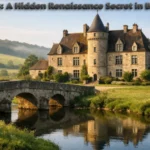
If you’re driving just 10 kilometers north of Ljubljana, the busy capital of Slovenia, you might stumble upon a place called jablje. Most people know it as Grad Jablje, or Jablje Castle. It isn’t just another old building with stone walls; it’s a spot where history feels very alive.
From the outside, it looks like a classic Renaissance manor, but it hides secrets that go way back—thousands of years, actually. Whether you’re a history buff, a fan of cool architecture, or someone who just loves a good story, Jablje has something for you. It’s a place where ancient warriors once lived and where modern world leaders meet today to talk about the future of Europe.
Let’s take a walk through time and explore everything there is to know about this Slovenian treasure.
1. Introduction: Discovering Jablje
Jablje is a beautiful historic manor located in a small village called Loka pri Mengšu. It’s tucked away at the edge of the Mengeš Plain, right where the flat land starts to turn into rolling hills. For most visitors, it’s a quick and easy trip from Ljubljana, making it a perfect spot for a weekend getaway.
The castle is famous because it’s a “double threat.” On one hand, it’s a major historical site with roots in the Middle Ages. On the other hand, it’s a high-tech hub for modern diplomacy. It’s not every day you find a building that houses both 18th-century frescoes and a European think-tank!
The jablje area is quiet and peaceful, but it has a powerful energy. It’s been through wars, earthquakes, and different owners, yet it still stands tall today, looking better than ever after its recent restoration.
2. A Fortress on a Cliff: The Unique Geography of Jablje
One of the coolest things about Jablje Castle is where it’s built. It doesn’t just sit on the ground; it’s perched on a rocky limestone cliff. This wasn’t just for the view—it was for safety. Back in the day, being on a cliff meant you could see enemies coming from a long way off.
The castle sits right at the foot of the Rašica hills. These hills are great for hiking, but they also protected the castle from the wind. If you look down from the castle walls, you’ll see the wide-open Mengeš Plain stretching out toward the horizon.
The Secret Cave Under the Castle
Believe it or not, there is a natural karst cave located directly beneath the castle. This cave was a lifesaver for the people living there. Because of the cave, the castle had its own internal water source. They even built a well right in the middle of the courtyard that reached down into the cave’s water. This meant that even during a siege, the people inside never ran out of fresh water.
3. From Habach to Jablje: Uncovering the Name’s Origin
Names often tell a story, and jablje is no exception. The very first time this place was mentioned in a history book was way back in 1268. At that time, it went by the German name “Habach.”
- Habach: This comes from the German words Hag (which means bushes or an overgrown creek) and ach (which means a stream). So, basically, it was the “place by the bushy stream.”
- Jablje: The Slovene name is much sweeter. It’s believed to come from the word jabel or jablane, which means apple tree.
Since the surrounding plain was a huge agricultural area, it’s likely there were tons of apple orchards nearby. So, while the Germans saw a stream, the Slovenians saw a garden!
4. The Architectural Journey: From Medieval Origins to Renaissance Splendor
The castle hasn’t always looked the way it does now. It started out as a simpler medieval structure. However, around 1530, a very powerful noble family called the Lambergs decided to give it a major makeover. They turned it into a grand Renaissance manor.
The Lambergs were big deals in Slovenia. They added four corner towers and a beautiful inner courtyard with arches. This style was all about symmetry and looking elegant.
Baroque Beauty
Later on, in the 1700s, the owners added some Baroque updates. Baroque style is much “fancier” than Renaissance. They built a grand staircase and added incredible stucco work on the ceilings. These changes made the castle look less like a fortress and more like a luxury palace where lords and ladies would throw big parties.
5. The Jablje Sword: A Window into the Bronze Age
While the castle is old, the history of the land is even older. In 2004, something amazing happened. Workers found a bronze sword in a spring near the castle. This wasn’t just any sword—it was a solid-hilted bronze sword from the 16th century BC.
This means the “Jablje Sword” is about 3,600 years old! It is one of the oldest and most well-preserved swords ever found in all of Europe. Historians think it might have been left in the water as a gift to the gods. Finding this sword proved that people have been living and fighting around jablje since the Bronze Age. Today, this priceless treasure is kept in the National Museum of Slovenia.
6. The Masterpieces of Franc Jelovšek: Baroque Art at Jablje
If you love art, the southeast tower of the castle is the place to be. It’s filled with frescoes painted by Franc Jelovšek in 1745. He was one of the most famous Slovenian painters of his time, and his work at Jablje is some of his best.
The paintings are bright and full of life, but there’s one part that everyone talks about. In one corner, there’s a painting of a Chinese man playing a tambourine while riding a camel. This is called “Chinoiserie,” which was a big fashion trend in the 1700s when European artists were obsessed with things from Asia. Seeing a camel in a Slovenian castle is definitely a surprise!
7. A Turbulent Century: Nationalization and Restoration
The 20th century was a rough time for Jablje. During and after World War II, the castle was nationalized, which means the government took it away from the noble owners. Sadly, the beautiful furniture and many of the treasures inside were stolen or destroyed.
For a long time, the castle wasn’t treated like a piece of history. It was used as an experimental farm for an agricultural school. Can you imagine students doing farm science in a Renaissance ballroom?
Luckily, the Slovenian government realized how important the building was. Between 1999 and 2006, they did a massive restoration. They fixed the walls, saved the frescoes, and brought the castle back to its former glory.
8. Jablje Today: A Hub for European Diplomacy
Today, the castle has a very important job. It is the headquarters for the Centre for European Perspective (CEP). This is a think-tank where experts from all over the world come to learn about politics, safety, and how to make Europe a better place.
In 2008, when Slovenia was the president of the European Union, jablje was the center of the action. Important leaders and diplomats from all over the world walked through these halls. Even today, it is used for:
- High-level government meetings
- International seminars and training
- State receptions
- Fancy weddings and cultural events
9. Planning Your Visit: Tours and Local Trails
Because the castle is a government protocol site, you can’t just walk in whenever you want. However, it’s still worth a visit!
- Guided Tours: The castle usually opens its doors for guided tours every other Saturday at 11:00 AM. It’s a good idea to check their official schedule or book a tour if you have a group.
- The Mengeš Path: If you can’t get inside, don’t worry! There is a beautiful path for hikers and cyclists that goes right past the castle.
- The Park: The castle park is open and perfect for a quiet walk or a picnic with a view of the towers.
FAQs About Jablje
Where exactly is Jablje located? It is located in the village of Loka pri Mengšu, which is about 15 minutes north of Ljubljana, Slovenia.
Can I go inside Jablje Castle for free? No, usually you need to join a guided tour, which typically happens every other Saturday or by special appointment.
What is the “Jablje Sword”? It’s a 3,600-year-old bronze sword found near the castle. It’s one of the oldest full-handle swords in Europe!
Who lives in the castle now? Nobody lives there. It is used as a government building and the headquarters for the Centre for European Perspective (CEP).
Is the castle haunted? There aren’t any official ghost stories, but with a karst cave underneath and 700 years of history, it certainly has a mysterious vibe!
Can I get married at Jablje Castle? Yes! The castle is a very popular spot for weddings because of its beautiful Baroque staircase and garden.
How do I get to Jablje from Ljubljana? You can take a short 15-minute drive or catch a local bus heading toward Mengeš.
Conclusion
Whether you call it Grad Jablje or just jablje, this site is truly a special part of Slovenia. It’s a place that connects the very distant past—like the Bronze Age sword—to the modern world of international politics. From the “apple tree” origins of its name to the colorful frescoes of a man on a camel, there is so much to discover here.
If you ever find yourself in central Slovenia, make sure to take a detour to Loka pri Mengšu. Walk the trails, look up at the stone towers, and imagine the centuries of history that happened right on that cliff.
Enjoyed learning about Jablje?
- Check out our other guides on [Slovenian Castles You Must Visit].
- Subscribe to our newsletter for more travel tips and history deep-dives.
- Follow us on social media to see more photos of hidden gems in Europe!

Other Articles

No Comment! Be the first one.